Bar Etiquette: How to Handle Difficult Customers Without Losing Control

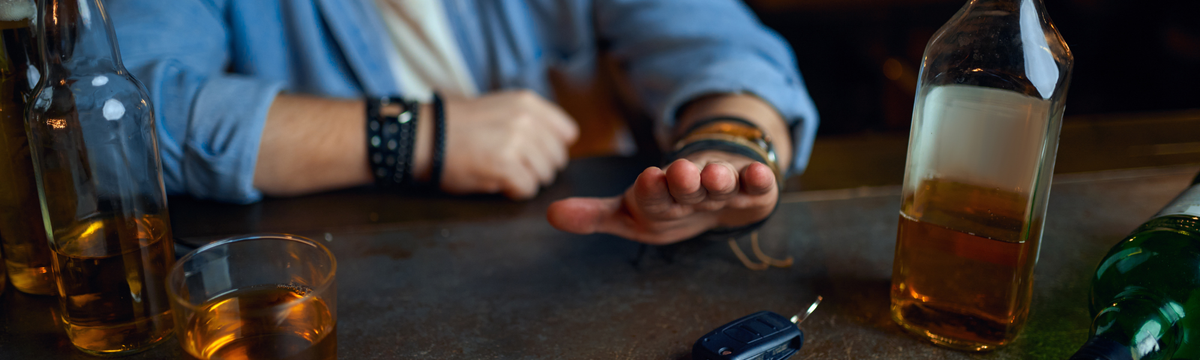
Every bartender has that one story: the guest who got loud, rude, or just plain difficult. How you handle those moments says as much about your professionalism as your cocktail skills — and in some cases, it can protect your liquor license.
Why It Matters
Difficult customers are more than just a headache. Poorly handled situations can escalate into fights, overservice violations, or even police calls. Knowing how to defuse tension while keeping service standards high is part of the job — and part of staying compliant.
The What: Types of Difficult Customers
- The Intoxicated Guest – Slurred speech, clumsy, argumentative.
- The “Just One More” Regular – Pushes for drinks after cutoff.
- The Aggressive Guest – Raises their voice, threatens staff.
- The Fake ID Gambler – Gets hostile when questioned.
- The Non-Compliant Guest – Refuses to follow last call or house policies.
The How: Handling with Professionalism
- Stay Calm
- Keep your tone low and steady.
- Don’t mirror their aggression.
- Be Clear & Polite
- Simple phrases work: “I can’t serve you another right now.”
- Avoid sarcasm or jokes that can be misread.
- Offer Alternatives
- Suggest water, soda, or food.
- Offer to call a ride if they’re intoxicated.
- Lean on Policy
- “It’s our policy not to serve past midnight” feels less personal than “I said no.”
- Get Backup
- Involve a manager, security, or another staff member if things escalate.
Pro Tip: Always document refusals or incidents. A short note protects you and your bar if questions come up later.
Where & When This Matters Most
- Closing Time – Guests often push for “just one more.”
- Busy Nights – Short tempers surface when people wait.
- Sporting Events/Holidays – Higher emotions, higher risks.
Real-World Example
In 2019, the Pennsylvania Liquor Control Board fined a Pittsburgh bar $6,000 after staff served an intoxicated guest who later caused a disturbance. The case highlights why refusing service — even when uncomfortable — protects both the bartender and the business.
Bar Takeaway
- Difficult customers are inevitable, but escalation isn’t.
- Calm, clear, consistent communication is your best tool.
- Refusal + documentation protects you legally every time.
👉 Want to protect your job and your liquor license? Get certified in responsible alcohol service through our Alcohol Server & Seller Training. You’ll also find a state-by-state regulation map to check the laws where you work.