Cold Weather, Hot Risk: Why Improper Holding Temps Spike in Fall

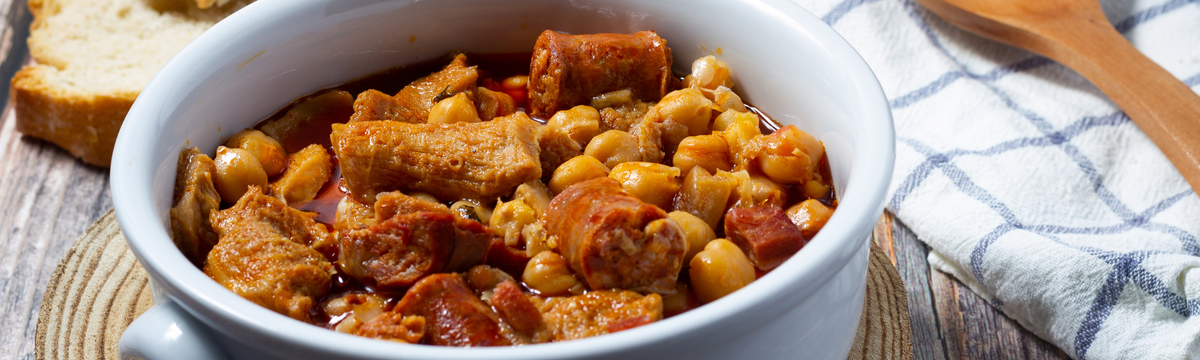
When the temperatures outside start dropping, kitchens face a surprising challenge: keeping food hot enough. Fall catering season brings soups, stews, and roasted meats — foods that seem perfectly safe because they’re served warm. But “warm” isn’t the same as 135°F or above, and anything less opens the door for bacterial growth.
It’s a counter intuitive truth: improper hot holding violations spike in fall and winter. Why? Because operators relax, thinking cooler weather outside keeps food safer, or they underestimate the effort required to hold bulk dishes at proper temps for hours at a time. Between holiday buffets, community meals, and crowded banquet service, it’s easy for food to drift into the danger zone. And when it does, outbreaks follow.
What Is Hot Holding?
Hot holding means keeping cooked food at or above 135°F (57°C) until it’s served. This is the line that prevents bacteria like Clostridium perfringens and Bacillus cereus from multiplying. Even brief dips below that threshold create opportunities for foodborne illness.
The FDA Food Code requires active monitoring of holding temperatures — yet violations remain one of the most common citations inspectors write.
Why It Matters: The Real Risk
Improper hot holding is a major driver of foodborne outbreaks. The CDC estimates that C. perfringens causes nearly 1 million illnesses annually in the U.S., often traced to foods like meat, poultry, and gravies that were cooked safely but held improperly afterward.
For operators, the risks include:
- Illness outbreaks tied directly to buffets, catering, and community meals.
- Inspection violations that can trigger fines or even temporary closures.
- Reputation damage — few headlines scare diners like “banquet guests sickened after wedding reception.”
Where It Goes Wrong in Fall
- Buffet lines: Chafing dishes and steam tables not checked frequently.
- Community meals: Churches, schools, and fundraising dinners with limited equipment.
- Catering events: Food transported off-site cools during setup.
- Holiday rushes: Staff too busy to log temps or rotate pans.
When the Risk Spikes
- October–December: Holiday buffets and banquets dominate.
- Cold weather months: Operators assume food stays safer in cooler air, ignoring temp logs.
- Large-volume events: Weddings, school fundraisers, and company parties with slow service lines.
How to Prevent Holding Hazards
Monitor Relentlessly
- Use calibrated digital thermometers — don’t trust steam table dials.
- Log temps every 2 hours during service.
Rotate & Refresh
- Avoid topping off pans — replace with fresh, fully reheated food.
- Keep backups hot in ovens until ready to serve.
Upgrade Equipment
- Use induction warmers or electric chafer alternatives for more consistent heat.
- Transport food in insulated carriers designed for hot holding.
Train Staff
- Reinforce the 135°F rule during pre-shift huddles.
- Empower staff to pull food off service if temps drop below safe thresholds.
The Bigger Picture
Fall’s cool weather gives a false sense of security, but bacteria don’t care if the air outside is crisp. They only care about the temperature of the food itself. For operators, proper hot holding is about more than compliance — it’s about protecting guests when service stretches on for hours.
Checkout our resource center for valuable downloads
Final Word: Keep It Hot
Holiday service should bring joy, not illness. Keeping food above 135°F isn’t just a technicality — it’s the difference between safe meals and sick guests. In a season filled with buffets, banquets, and long service lines, vigilance is the only way to stay out of the danger zone.
Don’t let improper hot holding put your business at risk. Certivance’s Food Handler and Certified Food Protection Manager training give your staff the skills to manage temperatures the right way — every time.
👉 Train with Certivance.com and explore our state-by-state regulation map for your area’s hot holding requirements.