Deep Freeze Safety: Preventing Walk-In Freezer Risks in Winter Operations

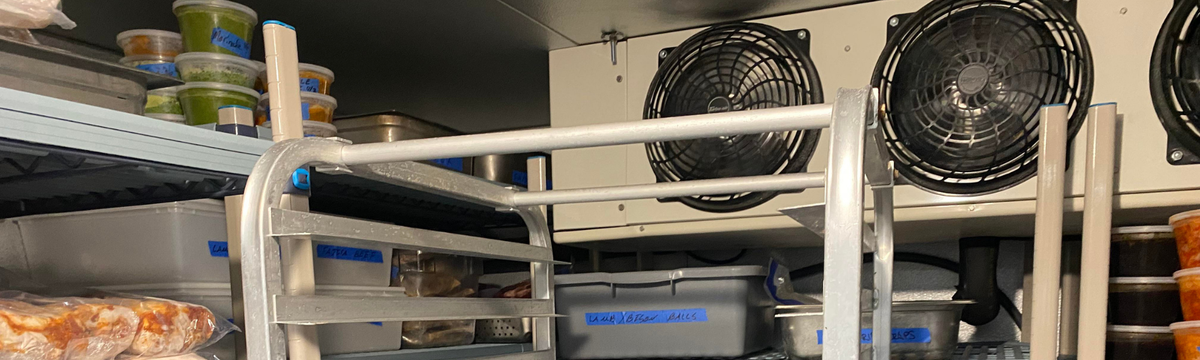
In the middle of winter, a walk-in freezer feels like the safest place in the kitchen — a fortress against bacteria. But freezers aren’t foolproof. Doors that don’t seal, overloaded racks that block air circulation, or ice buildup that damages equipment can turn your “safe zone” into a hidden hazard. And when food thaws and refreezes, the risks multiply: loss of quality, food waste, and the possibility of contamination.
Freezer safety isn’t just about keeping things cold — it’s about keeping them consistently frozen, properly stored, and protected from the very real risks that come with walk-in operations.
The Science of Freezing
- Bacteria don’t die at freezer temps: Freezing slows or stops microbial growth, but most pathogens survive and reactivate once food thaws.
- FDA Food Code: Food must remain frozen solid until it’s time to use. Proper freezer temps are 0°F (-18°C) or below.
- USDA guidance confirms that food kept at 0°F or lower is safe indefinitely — but quality degrades if not packaged or rotated correctly.
Why Winter Makes Freezers Risky
- Power outages: Ice storms and winter blackouts put walk-ins at risk of thaw.
- Ice buildup: Condensation from frequent door openings causes ice, which can block vents and damage gaskets.
- Overloading: Holiday storage demands often exceed capacity, blocking airflow.
- False security: Cold outside air doesn’t mean food in the freezer is safe — monitoring is still required.
Where Operators Should Watch Closely
- Door seals: Worn or iced-over gaskets allow warm air leaks.
- Storage practices: Boxes stacked against fans prevent circulation.
- Defrost cycles: Poorly maintained systems may thaw food during defrost.
- Employee safety: Slip hazards and entrapment risks increase in icy walk-ins. OSHA mandates escape latches on all freezer doors.
When It’s Most Critical
- Peak holiday storage (Nov–Jan): Freezers max out with turkeys, roasts, and bulk desserts.
- Storm season: Power failures compromise long-term storage.
- Late nights/weekends: Fewer staff around to notice equipment failures.
Best Practices for Walk-In Freezer Safety
1. Monitor & log
- Use continuous data loggers with alarms.
- Record temps at least twice per shift.
2. Maintain airflow
- Keep boxes away from fans and vents.
- Don’t overfill — leave 2–3 inches between stacks.
3. Defrost & clean
- Schedule regular defrosting to prevent ice buildup.
- Clear drains to avoid standing water.
4. Check doors & seals
- Inspect gaskets weekly.
- Train staff to fully close doors every time — even quick “in-and-out” trips matter.
5. Plan for power outages
- Keep walk-in doors closed during blackouts.
- Use backup generators or dry ice for emergencies.
- Have a discard policy if food thaws beyond 41°F for more than 4 hours.
6. Train for safety
- Post signage about slips and frost hazards.
- Verify freezer doors have functioning safety latches (OSHA requirement).
The Bigger Picture
Freezers protect against bacteria, but they’re not “set and forget.” Improper loading, unnoticed thawing, and poor maintenance can all compromise food safety. Winter only heightens the risks with outages, overuse, and employee stress.
Checkout our resource center for valuable downloads
Final Word: Respect the Freeze
Your walk-in freezer isn’t a backup plan — it’s a critical control point. Treat it with the same vigilance as your ovens and fryers. With consistent monitoring and smart policies, you can make sure your “deep freeze” never becomes a deep risk.
Don’t let improper hot holding put your business at risk. Certivance’s Food Handler and Certified Food Protection Manager training give your staff the skills to manage temperatures the right way — every time.
👉 Train with Certivance.com and explore our state-by-state regulation map for your area’s hot holding requirements.