Fall Food Safety: Preventing Cross-Contamination During Harvest Season


Fall in foodservice means two things: busy dining rooms and an abundance of fresh ingredients. From apple orchards and pumpkin patches to farmers’ markets overflowing with squash and root vegetables, the season brings a surge of locally sourced produce into kitchens. It’s a chef’s dream — but also a food safety challenge.
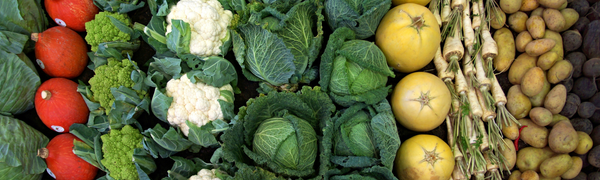
Unlike packaged goods, fresh produce often arrives straight from the field, carrying soil, bacteria, and sometimes animal contaminants with it. Add in the chaos of seasonal menus, catering events, and packed prep lines, and you’ve got the perfect environment for cross-contamination. Harvest season offers incredible flavors, but it also demands sharper vigilance to keep germs from jumping crop to plate.
What Is the Risk in Harvest Season?
Cross-contamination during harvest season happens when bacteria from raw produce or proteins transfer onto ready-to-eat foods. The CDC highlights fresh fruits and vegetables as leading sources of foodborne illness outbreaks, often tied to pathogens like E. coli, Salmonella, and Listeria.
Fall’s surge of produce means more washing, more chopping, and more handling in general — multiplying the opportunities for germs to spread.
Why It Matters: The Seasonal Impact
- Produce demand spikes: Seasonal specials increase the volume of raw produce moving through kitchens.
- Storage pressures: Overcrowded coolers during holiday prep raise cross-contamination risks.
- Outdoor sourcing: Local farms and markets may not have the same safety checks as industrial suppliers.
- High-profile outbreaks: E. coli in romaine lettuce and Listeria in cantaloupes have both made national headlines in past fall seasons.
Where Operators Should Watch Closely
- Receiving & storage: Unwashed produce stored next to ready-to-eat items.
- Prep areas: Same cutting boards used for raw vegetables and proteins.
- Buffets & catering: Shared serving utensils spreading germs between dishes.
- Seasonal kitchens: Pop-ups, fairs, and temporary setups with limited equipment.
When It’s Most Critical
- Peak harvest weeks: September through November, when local produce peaks.
- Holiday menu rollouts: Fall catering pushes large volumes through small spaces.
- Community meals: Schools, festivals, and fundraisers serving mixed crowds.
How to Prevent Cross-Contamination in Fall
At Receiving
- Inspect produce for soil and debris.
- Keep raw produce separated from ready-to-eat foods in storage.
In Prep
- Wash produce under running water, not in standing sinks.
- Use designated cutting boards (color-coded if possible).
- Rotate sanitizers frequently during high-volume prep.
During Service
- Provide separate utensils for each dish on buffets.
- Replace serving tongs often during long events.
With Staff
- Train seasonal hires on cross-contamination basics.
- Reinforce strict handwashing between handling produce and ready-to-eat foods.
The Bigger Picture
Fall should be a celebration of food, not a season of recalls. Yet history shows it’s one of the riskiest times of year for outbreaks tied to fresh produce. Operators who put strong cross-contamination safeguards in place can enjoy the flavors of the harvest without exposing guests to hidden dangers.
Checkout our resource center for valuable downloads
Final Word: Savor the Season Safely
Pumpkin pie, roasted squash, crisp apple salads — fall menus deserve the spotlight. Just don’t let cross-contamination steal the show. By doubling down on safe handling, operators can make harvest season a time to celebrate, not clean up after an outbreak.
Cross-contamination risks rise with the harvest — don’t let them catch you off guard. Certivance’s Food Handler Training and Certified Food Protection Manager courses cover the critical control points that keep seasonal operations safe.
👉 Protect your guests with Certivance training and explore our state-by-state regulation map to confirm what’s required in your area.