Ghost Kitchens in 2025: Are They Still Thriving or Fading?

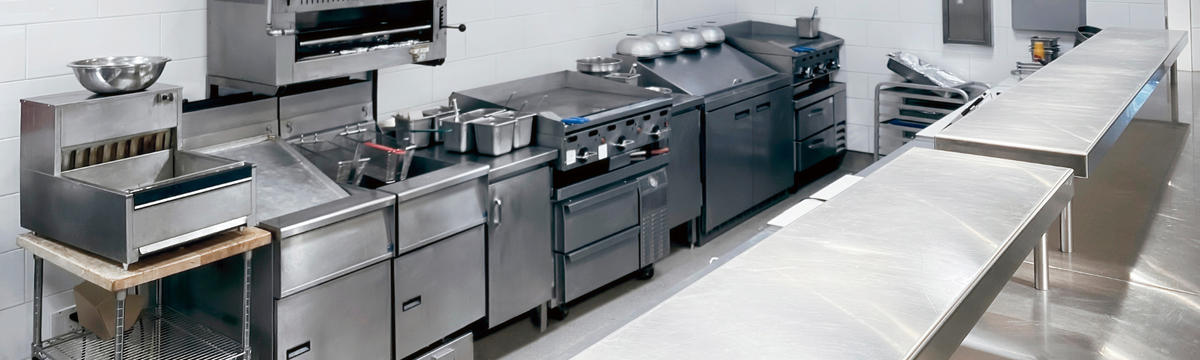
Just a few years ago, ghost kitchens were the hottest ticket in foodservice. No dining rooms, no servers, just a streamlined kitchen cranking out delivery orders under multiple brand names. Investors poured in, operators jumped at the low overhead, and analysts declared it the future of dining.
But fast forward to 2025, and the story isn’t so simple. Delivery fees are eating into profits, customer fatigue with “virtual brands” is real, and regulators are cracking down on transparency. The question now: have ghost kitchens cemented their place in hospitality, or are they quietly fading into the background?
What’s Happening
Ghost kitchens still exist in nearly every major metro, but the industry is splitting into two paths:
- Thriving hubs backed by strong logistics, marketing, and tech platforms.
- Failing standalones that can’t keep up with rising rent, delivery app fees, and brand saturation.
The novelty has worn off. Guests no longer order just because a flashy new brand pops up online — they expect quality, consistency, and authenticity.
Why It Matters
Operators considering ghost kitchens today face a far steeper climb than early adopters. Without deep partnerships or niche targeting, ghost kitchens can quickly become money pits. For regulators, food safety is also a concern: shared kitchens mean more complexity in compliance, labeling, and accountability.
Where You See It
- Urban centers: High-density delivery zones still make ghost kitchens viable, especially tied to strong national brands.
- Suburbs & small towns: Most independent ghost concepts are struggling as guests prefer in-person dining again.
- Colleges & airports: Success stories where captive audiences and high volume delivery keep kitchens running.
- Hybrid models: Restaurants using their kitchens during off-peak hours to run secondary delivery-only brands.
When It’s a Problem
Ghost kitchens falter when they:
- Overpay in rent for prime locations without the sales volume.
- Depend too heavily on third-party delivery apps with 25–30% commission rates.
- Launch too many copycat brands, confusing customers and damaging trust.
Who’s Affected
- Operators: betting on virtual concepts as lifelines.
- Guests: skeptical of unknown brands with no storefront.
- Delivery platforms: juggling demands from both corporate chains and small independents.
- Regulators: tightening oversight on transparency and inspections.
Case in Point
In late 2023, the ghost kitchen company Kitchen United announced it would sell or close all its physical locations to pivot to a software-focused business model. The closures, which were completed in early 2024, followed a period of rising operational costs, slowing delivery demand, and a general cooling of the ghost kitchen market after its pandemic-fueled boom.
Conversely, Reef Kitchens has pivoted into airport and stadium concessions, where delivery and high-volume needs align.
Best Practices for Operators
- Validate demand: Don’t launch a virtual brand without clear customer need.
- Leverage hybrid models: Use existing kitchens during downtime to run side concepts.
- Control the guest relationship: Whenever possible, drive orders through your own website/app, not just third-party apps.
- Transparency matters: Clearly label food sources and brand ownership to build trust.
- Invest in compliance: Shared kitchens mean extra vigilance on cross-contamination, labeling, and inspections.
Certivance is your go-to partner for every restaurant need. Learn More →
Looking for tools you can use today? Visit our for guides, checklists, and downloads.
Final Thought
Ghost kitchens aren’t dead — but they aren’t the miracle solution many hoped for. In 2025, they’re just one tool in the operator’s toolbox. Success depends on execution, transparency, and connecting with guests in a way that feels real, not virtual.
Ready to future proof your business? Get in touch with Certivance.