Holiday Buffets and Allergens: Managing Cross-Contact with Shared Serving Utensils

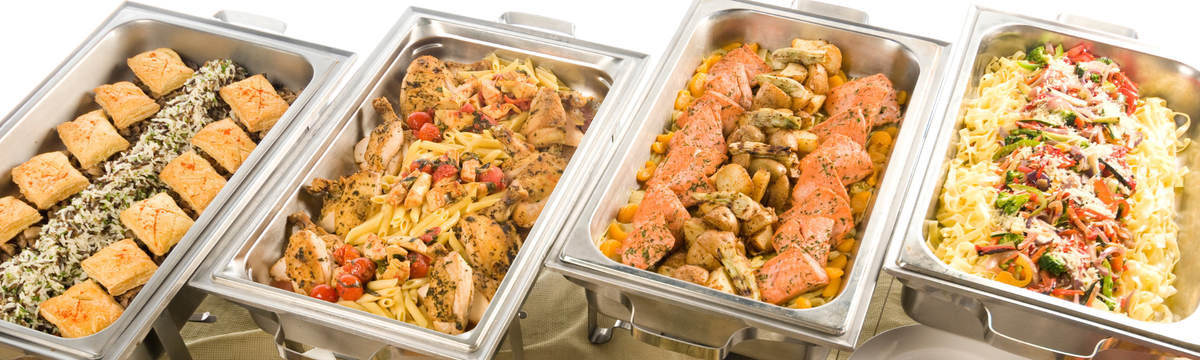
The holiday buffet is designed to impress. Silver trays lined in neat rows, carving stations glowing under warm lights, baskets of rolls stacked high, and desserts that look like edible art. Guests move through the line with plates in hand, piling on “just a little of everything.” It’s festive, abundant, and efficient — exactly what makes the season feel special. But amid the bustle lies a silent risk. One spoon swapped between dishes, one tong drifting from nut-topped cookies to plain rolls, one ladle used twice by an eager guest — that’s all it takes for allergens to spread unseen. For people living with food allergies, that invisible trace can turn a joyful evening into an emergency.
The Risk in Plain Sight
Buffets shift control from the kitchen to the crowd. At a plated dinner, the chef sets the terms. At a buffet, hundreds of small decisions play out at once, and not every hand respects the boundaries. The CDC estimates that food allergies send tens of thousands of Americans to the ER each year, and about a third of people with allergies say they’ve had a reaction in a restaurant setting. Buffets magnify that risk because the very design — open trays, shared utensils, multiple hands — makes cross-contact hard to contain.
Consider the holiday classics: mashed potatoes swirled with cream, green beans topped with slivered almonds, stuffing that hides sesame seeds in the breadcrumbs. Each dish may be safe on its own, but the moment a spoon wanders, the “plain” option isn’t plain anymore. Guests can’t see the trace of cream clinging to a ladle, or the almond dust clinging to a tong. That’s why self-serve formats have been singled out by allergen experts as some of the most difficult to control.
Lessons From the Field
Food Allergy Research & Education (FARE) has long cautioned families about buffets, noting that shared utensils are among the most common sources of accidental exposure. Medical literature backs it up: cross-contact at catered events is a recurring theme in allergy case reviews, often traced to unlabeled foods or utensils drifting across the line.
Even regulators have weighed in. The FDA’s Food Code requires every self-serve container to have its own utensil — a recognition that “wandering spoons” are not just an inconvenience, but a food safety hazard. When inspectors walk a line, they’re not only looking for temperature control; they’re checking whether utensils are present, clean, and being used correctly.
How Operators Can Protect Guests
Preventing allergen cross-contact in buffets isn’t about shutting down abundance — it’s about building invisible guardrails. Before the first guest arrives, walk the line and anticipate the mistakes. Place nut-containing desserts at the far end of the table so their utensils don’t travel back. Keep seafood trays on a separate station to protect other proteins. Provide more utensils than you think you’ll need so replacements are ready the moment one goes astray.
Signage matters too. A small, clear card that says “Contains nuts” or “Contains dairy” gives guests information at the moment of choice. Staff stationed near the line can both answer questions and keep an eye on utensil drift. Even a short pre-shift huddle — reminding staff which items contain the Big 9 allergens and what to do if a utensil is misplaced — pays dividends. And always have a plan for emergencies: know how to recognize symptoms quickly, call 911, and retrieve epinephrine where legally permitted.
These aren’t just nice touches. They’re practical steps that keep buffets profitable and safe, ensuring that the only thing guests remember is how good the food tasted.
Checkout our resource center for valuable downloads
Final Word
Buffets showcase the season’s generosity, but generosity without planning can cost more than a meal. With the right training and a few deliberate controls, operators can protect guests while still offering the spectacle people love. The trays stay full, the line moves smoothly, and everyone leaves with the memory of celebration — not a crisis.