ID Scanners in 2025: Tools That Actually Catch Fakes

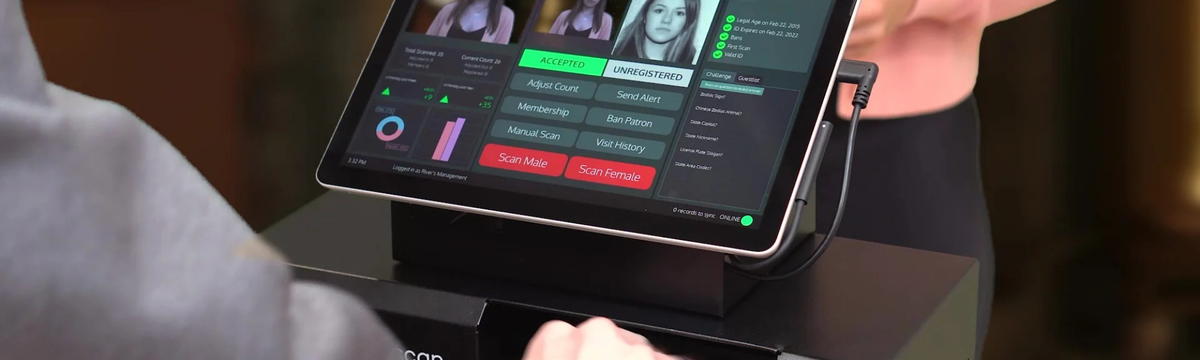
It used to be easy to fool the door guy. A borrowed ID, a photo that looked close enough, and a good story got plenty of underage drinkers through. But in 2025, the tech at the door has caught up. Operators aren’t relying on “gut feeling” anymore — they’re using scanners powered by machine learning, bar-code forensics, and real-time databases that can flag fakes in seconds.
For bars, nightclubs, and retailers, ID scanning isn’t just about catching kids trying to sneak a beer. It’s about avoiding fines, protecting liquor licenses, and proving to regulators that compliance isn’t an afterthought.
What’s Happening
Fake IDs are more sophisticated than ever, with holograms, scannable barcodes, and even near-perfect replicas sold online. But ID scanner technology has evolved too. Newer devices don’t just check the magnetic stripe or barcode; they analyze font spacing, micro-printing, and even the way light refracts through embedded holograms.
Cloud-based systems also give operators access to real-time validation, cross-referencing IDs against DMV and government records where legal. Mobile scanning apps have lowered the barrier to entry, making advanced tech affordable for independents as well as chains.
Why It Matters
Serving a minor can lead to thousands in fines, suspension or loss of license, and in some states, even criminal charges. Regulators expect operators to use “reasonable measures” to prevent underage sales. In 2025, that increasingly means more than a visual once-over. An investment of a few hundred dollars in scanner tech can save a business entirely.
Case in Point
- Scandit, the leader in smart data capture, released a new report today that examines the sentiments and prevalence of fake ID use among young adults aged 18-25 in the U.S. Nearly half (45%) of respondents reported knowing someone who successfully used a fake ID to gain access to age-restricted products or venues, reflecting the challenges and complexities facing businesses when it comes to ID verification.
- In June 2025, New York State Liquor Authority ran a compliance sweep in Albany and issued $125,000 in fines to bars that failed ID checks — most of which could have been prevented with proper scanning tools.
Best Practices for Operators
- Choose hardware wisely: Look for scanners that validate holograms and micro-printing, not just barcodes.
- Use mobile apps carefully: Great for backup, but make sure they meet local compliance standards.
- Train staff: A scanner is only as good as the person using it — teach staff how to respond when the device flags an ID.
- Stay updated: Software updates often include new fake ID detection features; skipping them weakens your system.
- Document checks: Some scanners log attempts, which can be invaluable in case of regulatory challenges.
Certivance is your go-to partner for every restaurant need. Learn More →
Looking for tools you can use today? Visit our for guides, checklists, and downloads.
Final Thought
Fake IDs will keep getting smarter, but so will the tools that catch them. In 2025, operators who treat ID scanning as part of their compliance culture — not just a gadget at the door — will protect both their business and their reputation.
Ready to future proof your business? Get in touch with Certivance.