Inspection Red Flags: The Top 10 Violations That Shut Restaurants Down

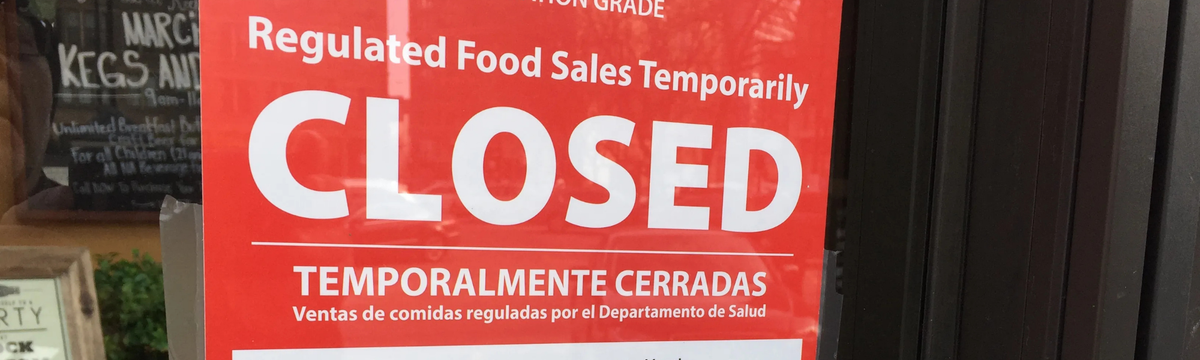
Health inspectors don’t show up to nitpick — they show up to protect public health. And while a few minor violations might earn a warning, some issues trigger an immediate red flag. These are the violations that don’t just ding your score. They get your doors locked, your name in the news, and your reputation on the line.
For operators, knowing the “top 10 shutdown triggers” isn’t about fear. It’s about focus. Because the same problems that close restaurants are the ones most likely to make guests sick.
Why Red Flags Matter
- Who it affects: Restaurants, bars, caterers, cafeterias — anyone serving food to the public.
- What it is: The most common critical violations inspectors cite when suspending operations.
- Where it happens: Kitchens, storage, restrooms, service areas, and delivery zones.
- When it matters most: Surprise inspections, complaint-driven visits, or routine check-ins.
- Why it’s critical: Critical violations = immediate risk to public health. Even one can justify a closure.
Case in Point
In 2022, inspection failures rose across central Pennsylvania. According to data from the Pennsylvania Department of Agriculture, 6.2% of York County restaurants were found out of compliance, more than double the rate from 2021 (2.7%).
Inspectors cited violations such as dented cans in storage, bare-hand contact with ready-to-eat foods, and improper sanitizing practices. While the increase may partly reflect a return to more inspections after the pandemic, the takeaway is clear: red flag violations remain a persistent risk. As Ben Fileccia of the Pennsylvania Restaurant & Lodging Association put it, “We really just want to keep our guests safe. That’s the goal.”
The Top 10 Red Flag Violations
1. Unsafe Food Temperatures
- Cold foods above 41°F, hot foods below 135°F.
- Improper cooling of soups, meats, or rice left at room temp.
2. Sick Staff Working
- Employees with vomiting, diarrhea, or fever on shift.
- Lack of illness reporting policies.
3. Cross-Contamination Risks
- Raw chicken stored above ready-to-eat produce.
- Cutting boards used for raw proteins and salads without sanitizing.
4. Handwashing Failures
- No soap, towels, or hot water at sinks.
- Staff skipping handwashing before glove use.
5. Pest Infestations
- Evidence of rodents, cockroaches, or flies.
- Droppings or live insects in storage areas.
6. Unsanitary Surfaces/Equipment
- Dirty prep tables, slicers, or warewashing sinks.
- Moldy ice machines or soda guns.
7. Unsafe Chemical Handling
- Cleaning supplies stored next to food.
- Chemicals in unlabeled spray bottles.
8. Poor Water/Plumbing Conditions
- No hot water available.
- Sewage backups or leaking waste lines.
9. Food from Unapproved Sources
- Home-prepared food brought in.
- Lack of invoices or sourcing records.
10. Missing or Expired Certifications
- No certified food protection manager on site.
- Expired food handler cards.
Best Practices for Operators
Run Daily Mini-Inspections
- Assign managers to walk the line with an inspector’s eye.
- Rotate who checks to avoid blind spots.
Fix Issues in Real Time
- Don’t wait for inspection day. Correct violations the moment they appear.
Document Everything
- Keep logs for temps, deliveries, pest control, and training.
- Inspectors love paper trails.
Invest in Training
- Staff should know the “red flag 10” by heart.
- Use real-world case studies to make risks memorable.
Use our Inspection Checklist and checkout our resource center for valuable downloads
Final Thought
Inspections don’t have to be a source of dread. By knowing the red flags and building systems to avoid them, operators can turn inspection day into just another shift. Because the only headlines you want to make are for great food — not for a closure notice on the door.