Leftovers & Foodborne Illness: Thanksgiving Lessons for Operators

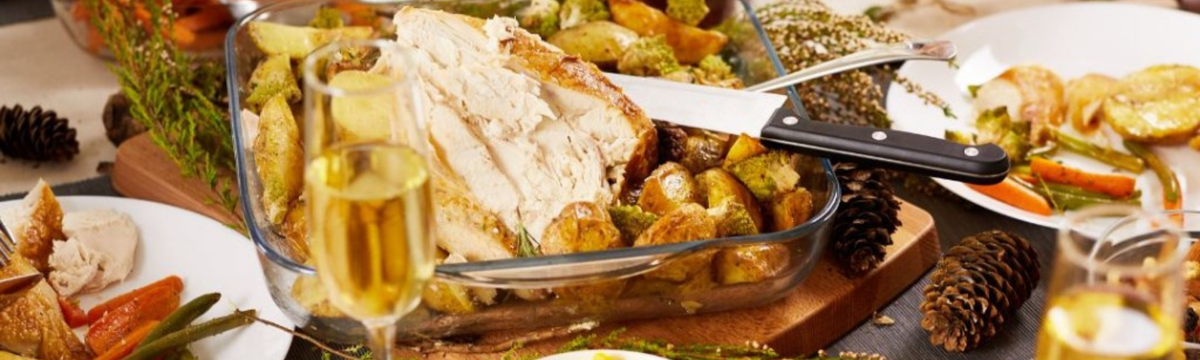
Thanksgiving is built on abundance: platters of turkey, mountains of stuffing, endless sides, and pies that linger long after the meal ends. But in the back of house, abundance can become a liability. Leftovers are where food safety often unravels. Cooling takes too long, reheating isn’t thorough, and forgotten pans sit too long in the danger zone.
For operators, Thanksgiving isn’t just a holiday — it’s a stress test. And the lessons learned from handling leftovers safely apply year-round.
Why It Matters
- Who it affects: Restaurants offering Thanksgiving buffets, caterers handling family-style meals, hotels running holiday events, and even quick-service outlets selling take-home trays.
- What it is: The food safety risks tied to large-volume cooking, cooling, and reheating.
- Where it happens: Walk-ins stuffed beyond capacity, banquet lines, and takeout packaging.
- When it matters most: During the holidays, when staff are rushed and food sits out longer than usual.
- Why it’s critical: The USDA reports that improper cooling and reheating are among the leading causes of holiday foodborne illness outbreaks.
Case in Point
After Thanksgiving 2017, the CDC investigated an outbreak of Clostridium perfringens — a common bacteria tied to improperly cooled and reheated foods. More than 100 people were sickened after eating catered holiday meals that had been left in warming trays too long before service.
The outbreak underscored a recurring theme: food that looks safe can harbor dangerous bacteria if cooling and reheating aren’t managed with precision.
Lessons for Operators
1. Cool It Fast
- Divide large roasts, stews, and casseroles into shallow pans before refrigerating.
- Use ice baths or blast chillers to get foods below 41°F within four hours.
2. Reheat with Intention
- All leftovers must reach at least 165°F before serving again.
- Stir soups and gravies during reheating to eliminate cold spots.
3. Manage Buffet & Catering Risks
- Swap pans every two hours — don’t just top them off.
- Keep hot foods above 135°F and cold foods below 41°F at all times.
4. Use Packaging Wisely
- For take-home trays, label reheating instructions clearly.
- Offer insulated carriers or cooling options for customers traveling long distances.
5. Train & Rotate Staff
- Make sure seasonal hires understand cooling and reheating basics.
- Rotate staff to avoid fatigue that leads to shortcuts.
Checkout our resource center for valuable downloads
Final Thought
For guests, Thanksgiving leftovers are comfort food. For operators, they’re a test of discipline. By mastering cooling, storage, and reheating, you keep the holiday spirit intact — and keep foodborne illness off the menu. Because nothing ruins Thanksgiving faster than a call to the health department.