Liability & Dram Shop Laws Explained: What Every Bartender Should Know
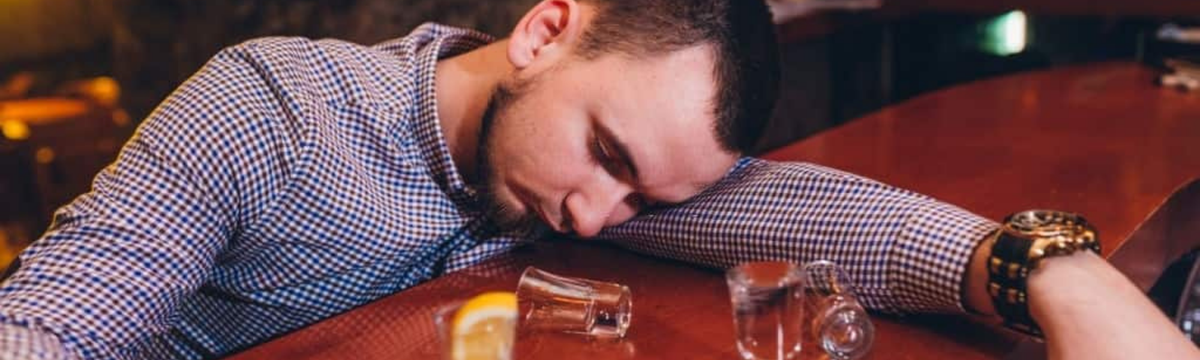
You cut someone off. They storm out, angry. An hour later, you hear they crashed their car. Who’s responsible — them, you, or the bar? That’s where liability and “dram shop” laws come in, and every bartender, server, and manager needs to understand the stakes.
Why It Matters
Serving alcohol isn’t just about good pours and guest service — it carries legal weight. Under dram shop laws, bars and restaurants can be held financially (and sometimes criminally) responsible if a guest you served causes harm while intoxicated. That could mean lawsuits, license suspensions, or even jail time. For staff, ignorance isn’t an excuse — knowing how these laws work is part of protecting yourself and your establishment.
The What: Dram Shop Laws in Plain English
- Definition: Laws that hold alcohol-serving establishments liable for damages caused by serving alcohol to minors or visibly intoxicated people.
- Who’s Covered: Bartenders, servers, owners, and sometimes managers.
- What’s at Stake:
- Civil liability (lawsuits for damages)
- Criminal penalties in some states
- License suspension or revocation
The Where: State-by-State Variation
Dram shop laws exist in most states, but the details vary. Examples:
- Pennsylvania – Establishments can be sued if they serve alcohol to visibly intoxicated guests who later cause harm. Courts have issued multi-million-dollar verdicts against bars under this law.
- Virginia – Does not have a traditional dram shop law, but civil lawsuits can still succeed under negligence theories.
- New Jersey – Strong dram shop laws. Serving minors or visibly intoxicated patrons can lead to lawsuits and heavy penalties.
- Maryland – Like Virginia, no statewide dram shop law, but servers can still face negligence claims.
- Texas – “Safe Harbor” provision: if staff are TABC-certified and management followed the law, employers may avoid liability.
- Illinois – Very strict. Bars can be sued even if there’s no proof the patron was visibly intoxicated.
👉 For details in your exact state, check our this article from Justia
The When: Common Scenarios
- Overserving – Guest stumbles out, drives, and causes a crash.
- Serving a Minor – Teen drinks, then injures themselves or others.
- Event Service – Weddings, festivals, or private events where servers miss the signs.
The How: Protecting Yourself
- Know the signs – Slurred speech, glassy eyes, slow reactions.
- Cut off with confidence – Polite but firm. Offer water or food.
- Card consistently – No exceptions, even when rushed.
- Document incidents – If you refuse service, write it down.
- Stay trained – Certification helps reduce liability.
Pro Tip: Most courts look at whether a bartender acted “reasonably.” If you followed training and policies, you’re in a stronger legal position.
Quick Case Examples
- Texas (2018): A bar paid $301 billion in damages after overserving a drunk driver who killed two people.
- New Jersey (2014): A tavern was ordered to pay $1.5 million when they served a minor who later crashed.
- Pennsylvania (2020): A bar faced a $4 million settlement after overserving a visibly intoxicated customer involved in a fatal crash.
Bar Takeaway
- Dram shop laws = your bar can be sued if you serve minors or intoxicated guests.
- Rules vary widely by state — but the risk is everywhere.
- Certification and smart service = your best defense.
👉 Want to protect your job and your liquor license? Get certified in responsible alcohol service through our Alcohol Server & Seller Training. You’ll also find a state-by-state regulation map to check the laws where you work.