No Day Off: How Food Safety Rules Apply Even on Christmas Day

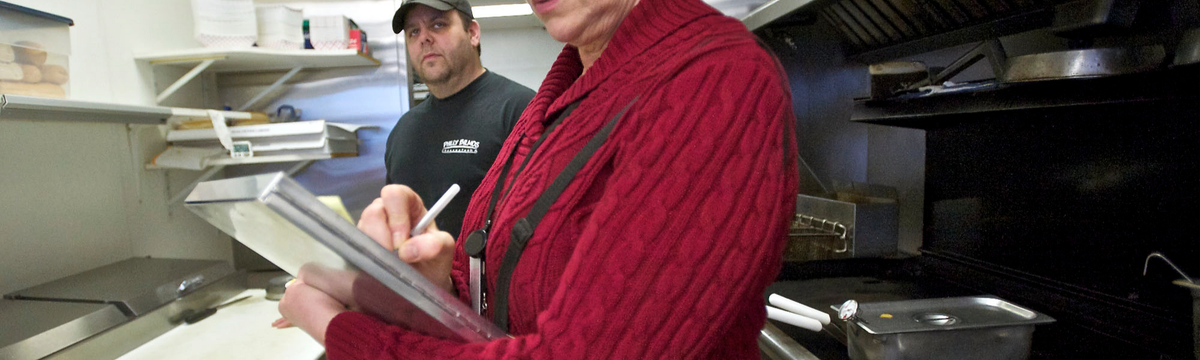
It’s Christmas morning. Dining rooms are decked out with wreaths and lights, kitchens are packed with prime rib and pies, and staff are trying to balance family traditions with a packed reservation book. Guests walk in expecting magic — but inspectors don’t care what day it is.
Foodborne pathogens don’t take holidays off. Neither do the regulations that keep them in check. And while operators might hope December 25th is immune to scrutiny, the truth is simple: food safety law is 365 days a year.
Why It Matters
- Who it affects: Restaurants, hotels, caterers, and banquet halls open on Christmas.
- What it is: The same codes, rules, and standards enforced on every other day of the year.
- Where it happens: From buffets and plated holiday dinners to high-volume takeout and delivery.
- When it matters most: On holidays, when staff are stretched thin, guests are impatient, and volumes surge.
- Why it’s critical: The combination of fatigue, celebration, and volume creates perfect conditions for violations — and outbreaks.
Case in Point
On December 25, 2018, inspectors in New Jersey cited a catering hall after a surprise visit during a Christmas Day banquet. Violations included improperly cooled seafood dishes, food left uncovered in storage, and staff working without hair restraints. The facility wasn’t shut down, but it was issued multiple critical citations — a reminder that the holiday spirit doesn’t excuse lapses.
Health officials later noted that holiday inspections are deliberate: high-volume events are exactly when standards matter most.
How to Keep Standards on Christmas Day
The challenge isn’t different rules — it’s different circumstances. Christmas service often means buffet lines, family-style platters, or larger-than-usual parties. Each comes with risks.
- Buffets: Keep hot dishes above 135°F and cold dishes below 41°F. Assign staff to monitor and swap pans, not just refill them.
- Banquets: Prep ahead safely. Cool roasts and sides properly before reheating. Don’t overload coolers beyond capacity.
- Staffing: Rotate breaks to avoid fatigue. Don’t bend illness policies just because coverage is thin.
- Alcohol service: Holiday cheer doesn’t excuse over-service. Train staff to recognize impairment and cut off when necessary.
- Decor & clutter: Keep hand sinks, sanitizer buckets, and fire exits clear — even if it means saying no to one more poinsettia.
Use our Inspection Checklist and checkout our resource center for valuable downloads
Final Thought
For guests, Christmas dinner is about celebration. For operators, it’s also about vigilance. By holding the line on food safety — no matter the date — you protect your team, your brand, and the people who chose your restaurant to be part of their holiday. After all, the best gift you can give your guests is a meal they’ll remember for all the right reasons.