
Passover 2026: Tradition, Symbolism, and the Seder Table

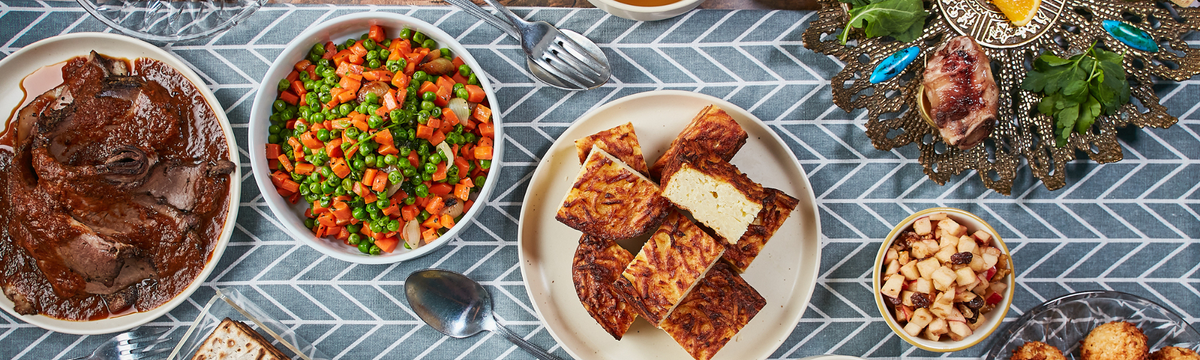
Passover begins at sundown on April 1, 2026, and lasts for eight days of reflection, remembrance, and family gatherings. The holiday commemorates the Exodus story and is centered around the Seder meal — one of the most symbolic and food-rich traditions in Jewish culture. For restaurants and foodservice operators, Passover is a chance to honor heritage, provide thoughtful take-home options, and highlight dishes that balance tradition with modern flavor.
The Seder plate itself tells a story, with each item carrying symbolic meaning. From matzo to bitter herbs, these foods are woven into the rituals of the evening. Guests may seek full holiday meals, kosher-style options, or simply traditional dishes they can bring to family celebrations.
Why Passover Foods Matter
Passover meals are steeped in meaning and memory. Guests expect matzo-based dishes, slow-cooked meats, and desserts that follow holiday traditions. Since leavened bread is avoided, recipes built around matzo and flourless desserts take center stage. Operators who respect these customs while offering convenient or elevated options can build strong connections with Jewish diners.
Passover Menu Staples
- Traditional Dishes → matzo ball soup, brisket, roasted chicken.
- Seder Essentials → bitter herbs, charoset, hard-boiled eggs, matzo.
- Vegetarian Options → roasted vegetables, kugel made with matzo.
- Flourless Desserts → macaroons, flourless chocolate cake, fruit compotes.
- Festive Drinks → kosher wines, grape juice, herbal teas.
Marketing & Promo Strategies
- Passover Packages → takeout Seder boxes with traditional dishes.
- Family-Style Dining → platters sized for group meals.
- Cultural Respect → market menus with sensitivity, focusing on tradition and meaning.
- Educational Tie-Ins → include brief menu notes explaining symbolic dishes.
- Community Partnerships → collaborate with synagogues or Jewish organizations.
Closing Note
Passover is about remembrance, resilience, and the power of tradition. Food carries those themes forward, turning each meal into a story shared across generations. By honoring customs with thoughtful menus, operators can make their restaurant part of a holiday that blends history with family connection. And just two days later, Good Friday brings another meaningful moment on the spring calendar.