Salad Season Starts Early: Fresh Produce Safety in Late Winter

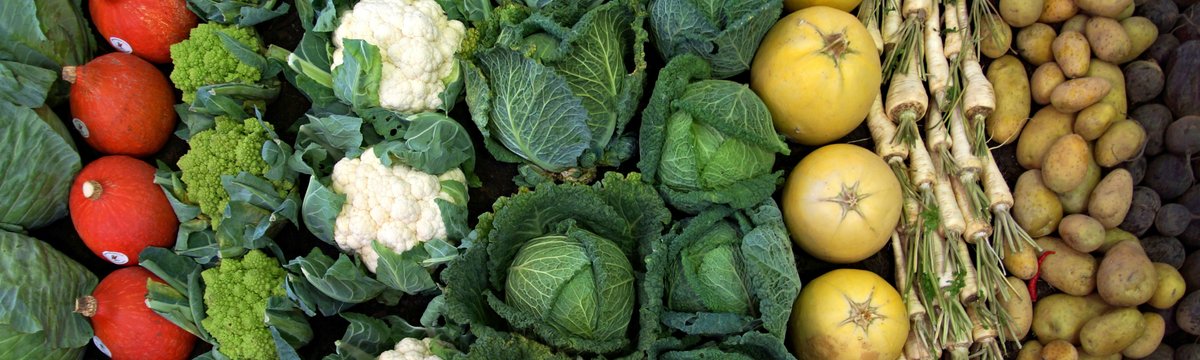
By February, guests are craving something lighter. After months of roasts, soups, and casseroles, menus start shifting toward greens, fresh veggies, and fruit. For operators, “salad season” begins earlier than you might think — and with it comes one of the biggest food safety challenges in the industry: keeping fresh produce safe.
Unlike meat or poultry, most produce isn’t cooked before service. That means there’s no kill step for pathogens like E. coli, Salmonella, or Listeria. If contamination comes in from the field, transport, or prep, it goes straight to the plate. And history shows just how devastating produce-linked outbreaks can be — especially during late winter when supply chains stretch to meet early-season demand.
Why Fresh Produce Is High-Risk
The CDC estimates nearly half of foodborne illness outbreaks in the U.S. are linked to produce. Leafy greens, melons, and sprouts are the repeat offenders.
Factors that raise risk in late winter include:
- Longer transport routes: Off-season produce often comes from distant growers.
- Limited local options: Reliance on large-scale farms where one contamination event affects thousands of pounds.
- Cold chain stress: Winter storms and delays can break refrigeration consistency.
Real-World Outbreaks
Romaine Lettuce & E. coli (2018): Over 200 cases across 36 states were tied to romaine lettuce grown in Arizona’s Yuma region. Five people died. The outbreak began in March — early “salad season.”
Bagged Salad Mix & Cyclospora (2020): A multi-state outbreak linked to packaged salad sickened 700+ people. Traceback investigations highlighted risks in large-scale bagged greens.
Cantaloupe & Salmonella (2023): Winter-season cantaloupe contaminated with Salmonella led to over 400 illnesses and multiple deaths, showing produce risks aren’t just summer issues.
Where the Risks Lurk
- Receiving: Contaminated shipments enter kitchens unnoticed.
- Storage: Improper separation in coolers allows juices or debris to contaminate other foods.
- Prep areas: Cutting boards and sinks used for raw proteins and produce without proper sanitizing.
- Service: Salad bars and buffets where utensils and guest contact spread germs.
When It’s Most Critical
- February–April: Demand for salads rises before local harvests kick in.
- Holiday catering: Lent and Easter menus often feature seafood + fresh greens.
- School & corporate dining: Cafeterias push “healthier” options as winter ends.
Best Practices for Produce Safety
1. Source smart
- Buy from suppliers who follow the FDA’s Produce Safety Rule.
- Verify vendor certifications and ask about food safety audits.
2. Wash thoroughly
- Rinse produce under running water — not standing sinks.
- For melons: scrub with a clean brush before cutting.
- Don’t wash produce with soap or chemicals not approved for food.
3. Separate & sanitize
- Use color-coded boards and utensils for produce.
- Sanitize sinks and prep tables between raw proteins and vegetables.
4. Control salad bars
- Replace utensils frequently.
- Keep cold foods ≤41°F and discard leftovers at the end of service.
5. Train & monitor
- Reinforce to staff that produce is “ready-to-eat” and needs the same vigilance as cooked proteins.
- Require logs for salad bar temps and cooler storage.
The Bigger Picture
Fresh produce makes menus pop, but it’s also one of the most frequent causes of outbreaks. Guests expect “healthy” foods to be safe — and they don’t forgive when lettuce sends them to the ER. For operators, early salad season is the time to double down on basics: sourcing, washing, storage, and service controls.
Checkout our resource center for valuable downloads
Final Word: Crisp, Fresh, and Safe
Salads may be the star of late-winter menus, but they’re only as safe as the controls behind them. By enforcing produce safety practices now, operators can deliver freshness without fear — keeping guests healthy and kitchens compliant.
Don’t let improper hot holding put your business at risk. Certivance’s Food Handler and Certified Food Protection Manager training give your staff the skills to manage temperatures the right way — every time.
👉 Train with Certivance.com and explore our state-by-state regulation map for your area’s hot holding requirements.