State-by-State Alcohol Server Certification Guide: What You Need to Know Before You Pour

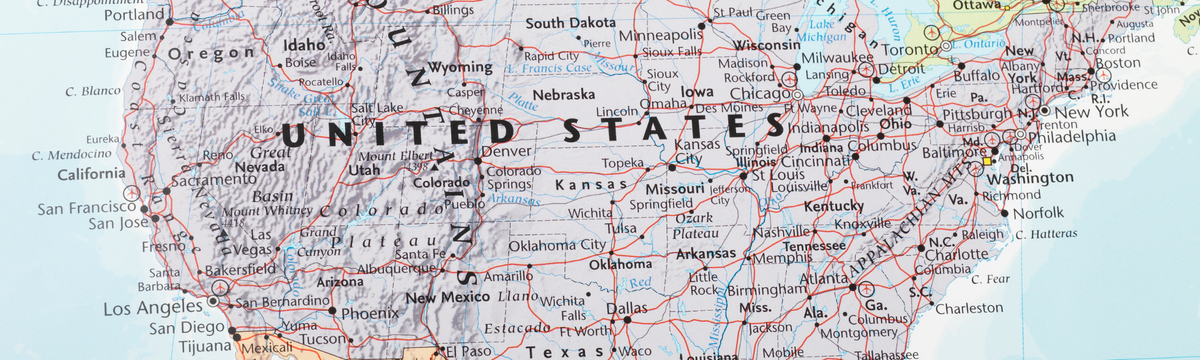
In one state, certification is optional. Cross the border, and suddenly it’s mandatory — with fines waiting if you don’t have it. Alcohol server training rules change depending on where you work, which is why every bartender, server, and manager needs to know the basics for their state.
Why It Matters
Responsible alcohol service certification isn’t just about compliance — it’s about protecting yourself, your job, and your guests. Some states require training before you ever step behind the bar. Others only mandate it after a violation, and some have no statewide requirement at all (though individual cities and counties might). Get it wrong, and you could face:
- Personal fines
- Your bar’s liquor license suspended
- Even criminal charges in severe cases
The What: Certification Basics
- What is it? A training program that teaches servers and sellers how to prevent underage sales, recognize intoxication, and refuse service safely.
- Who needs it? Usually bartenders, servers, managers — sometimes delivery drivers, too.
- Why it matters legally: In many states, having certified staff can reduce liability or even provide a legal defense in case of violations.
The Where: State-by-State Differences (Examples)
Here’s how the rules shift depending on where you’re working:
- Pennsylvania – Training is mandatory for licensees and their employees through the RAMP (Responsible Alcohol Management Program). Certification must be completed within six months of hire.
- Virginia – Certification is optional statewide, but highly recommended. The Virginia ABC encourages training, and courts may reduce penalties if staff are certified.
- Maryland – Rules vary by county. For example, Montgomery and Howard counties require training for all alcohol servers, while other counties leave it optional.
- New Jersey – No statewide mandate, but many municipalities impose requirements. Most employers expect staff to complete TIPS or ServSafe Alcohol to reduce liability.
- California – Since 2022, RBS certification is mandatory for anyone serving alcohol.
- Texas – Not legally required statewide, but the TABC Safe Harbor defense protects employers from liability if all staff are certified.
- Illinois – BASSET training is mandatory statewide for all servers and bartenders.
- Oregon – The OLCC Server Permit is required before serving alcohol.
- Florida – Voluntary statewide, but insurance companies and employers usually demand certification.
👉 Not sure about your state? Check our Alcohol Regulation Maps for a full 50-state breakdown.
When Certification Matters Most
- Before you’re hired — many employers won’t even interview without proof of training.
- After violations — some states mandate training after a failed compliance check.
- Insurance renewals — insurers often require certified staff to issue or renew coverage.
The How: Getting Certified
- Find an approved course — check your state liquor authority’s list.
- Take the training — online or in-person (usually 2–4 hours).
- Pass the test — typically 20–40 questions, sometimes open-book.
- Receive your certificate or card — valid for 2–4 years depending on the state.
Quick Note: Only ANSI-accredited programs are accepted in many states. Always double-check approval before paying for a course.
Common Questions
- “If I move states, do I need to recertify?”
Almost always yes — certifications rarely transfer. - “Do managers need certification too?”
In many states, yes — often at a higher level of training. - “What if my state doesn’t require it?”
Still smart to get certified. It reduces liability and makes you more employable.
Bar Takeaway
- Certification rules vary state by state — and sometimes county by county.
- Even where it’s “voluntary,” certification protects both you and your bar.
- Employers and insurers increasingly expect certified staff.
👉 Want to protect your job and your liquor license? Get certified in responsible alcohol service through our Alcohol Server & Seller Training. You’ll also find a state-by-state regulation map to check the laws where you work.