The Future of Food Safety: Trends to Watch in 2026

The champagne is gone, the ball has dropped, and the first tickets of 2026 are already coming off the line. For guests, a new year means resolutions and fresh starts. For operators, it’s a reminder that food safety doesn’t pause for celebrations — it evolves. New science, new technology, and new consumer expectations are rewriting the playbook. The question isn’t whether change is coming. It’s whether you’ll be ready when it arrives.
Why the Future Matters
Food safety is often thought of in terms of yesterday’s mistakes — the outbreaks, the recalls, the inspection failures splashed across headlines. But the operators who thrive are the ones looking forward. In 2026, the forces shaping the industry are bigger than one inspector’s checklist. They’re global, technological, and cultural.
Take climate change: warmer summers and flooding winters are fueling the growth of pathogens like Salmonella and Vibrio. Or consider the steady rise of antibiotic-resistant bacteria in supply chains, making once-manageable infections harder to treat. Add in new FDA rules, consumer demands for transparency, and the rise of AI-powered monitoring systems, and you’ve got a year where standing still is the riskiest move of all.
Case in Point
Late last year, the FDA issued new guidance requiring restaurants that serve oysters to post advisories about Vibrio vulnificus, a pathogen tied to warming waters and deadly outbreaks in several states. For operators, the change wasn’t optional — it was immediate. Some businesses had signage up within days, others faced citations and public criticism.
That moment captured the future in miniature: climate, pathogens, regulation, and consumer trust colliding in real time. The operators who stayed ahead turned compliance into confidence. The ones who lagged were forced into defense.
Where 2026 Is Headed
This year, food safety won’t just be about keeping temps and washing hands — though those basics remain non-negotiable. It will also be about navigating shifting terrain:
- Climate-linked risks making summers more dangerous for food handling and storage.
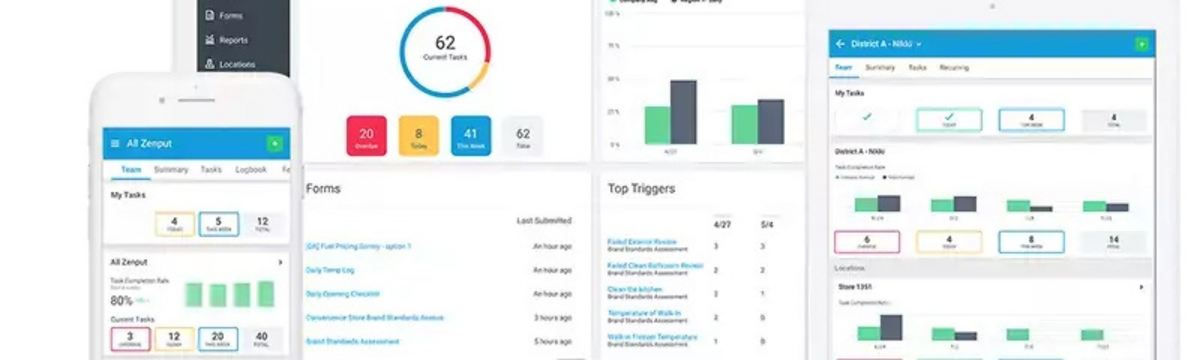
- Technology in the kitchen, from AI cameras tracking glove changes to sensors pinging managers when coolers drift above 41°F.
- Resistance in the food chain, as bacteria shrug off antibiotics and force tougher sourcing conversations.
- Allergen awareness, no longer just a label but a legal and cultural expectation.
- Culture over checklists, as inspectors increasingly judge whether teams live food safety, not just sign forms.
These aren’t abstract concepts. They’re the realities operators will face on inspection days, in guest reviews, and across supply chains.
The Operator’s Playbook
So how do you prepare for a future this complex? By anchoring in culture and leaning into change. Inspectors will continue to enforce codes, but the businesses that succeed will build resilience: training staff to understand why rules exist, investing in tools that catch mistakes early, and treating food safety as brand equity, not overhead.
Because here’s the truth: guests are watching. They want to know their oysters are safe, their leftovers won’t send them to the ER, and their allergens are taken seriously. And when operators deliver that trust, they don’t just avoid fines — they earn loyalty.
Checkout our resource center for valuable downloads
Final Thought
The future of food safety isn’t next year’s problem. It’s today’s reality. By embracing change — instead of reacting to it — operators can turn uncertainty into confidence. In 2026, the best-run kitchens won’t just meet the standard. They’ll define it.
Ready to future proof your business? Get in touch with Certivance.