The Hygiene Hierarchy: Handwashing, PPE, and Grooming That Protects Guests

Walk into any kitchen at peak dinner rush and you’ll see a ballet of movement: sauté pans flashing, servers weaving through tight spaces, and the steady drumbeat of tickets coming down the line. It looks like organized chaos, but behind the scenes, another performance is underway — one that guests rarely see.
A line cook wipes their hands on a grease-stained apron instead of walking to the sink. A prep worker rushes through a “rinse and shake” after cutting raw chicken. A server’s hair slips from a clip and brushes across a tray of glasses.
None of these moments are dramatic on their own. But together, they form a hidden hierarchy — the habits, shortcuts, and choices that decide whether food leaving the pass is perfectly safe or primed for disaster. For operators, that hierarchy isn’t optional. It’s the foundation that protects guests, keeps inspectors satisfied, and safeguards the reputation of the business itself.
Why the Hygiene Hierarchy Matters
The phrase “hygiene hierarchy” recognizes that food safety isn’t just about one behavior, like handwashing. It’s a layered system. Each step — from how often hands are washed, to how gloves are used, to how staff present themselves — stacks together to protect the public.
- Who it affects: Everyone on staff, from the dishwasher who handles soiled plates to the bartender slicing citrus.
- What it includes: Hand hygiene, glove use, hair restraints, trimmed nails, PPE (like masks in some settings), and clean uniforms.
- Where it shows up: Prep areas, service stations, bars, buffets, and anywhere food or utensils are handled.
- When it matters most: During high-stress service, seasonal rushes, and times when illness or fatigue tempt staff to take shortcuts.
- Why it matters: Foodborne pathogens are invisible. Guests don’t see the risks, so operators must eliminate them before they ever reach a plate.
Case in Point
The consequences of ignoring hygiene aren’t hypothetical. In 2015, a Chipotle location in Boston became the center of a norovirus outbreak that sickened more than 140 people. Investigators traced the problem to an ill employee who worked while symptomatic and failed to follow proper hygiene protocols. The fallout included national headlines, lawsuits, and long-lasting damage to the brand’s reputation.
And it’s not an isolated case. According to the CDC, about 70% of foodborne norovirus outbreaks are linked to infected food workers who handled food without gloves or skipped handwashing. These aren’t rare mistakes — they’re patterns.
Best Practices for Operators
Building a hygiene hierarchy means setting clear, non-negotiable standards and giving staff the tools to meet them.
Handwashing (the foundation)
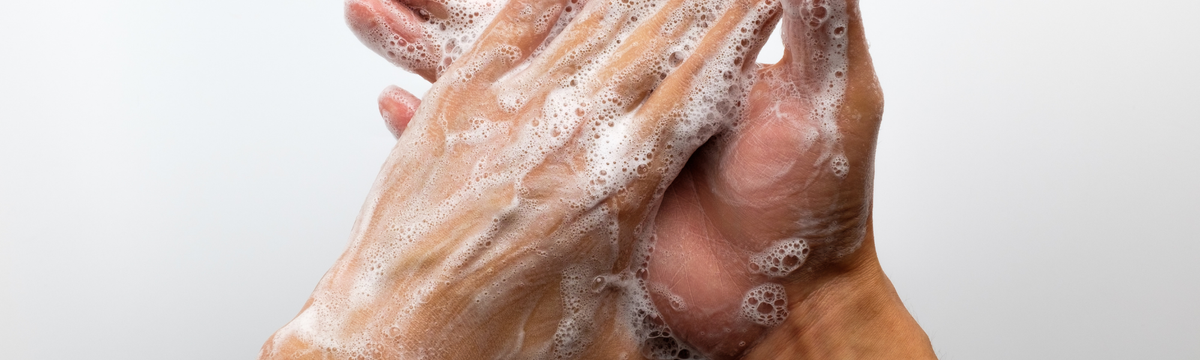
- Wash with warm water and soap for at least 20 seconds.
- Critical moments: after restroom use, before food prep, after touching hair/face/phone, switching between raw and ready-to-eat foods.
- Keep sinks stocked with soap, towels, and clear signage — no excuses.
Gloves and PPE (the second layer)
- Gloves are never a substitute for handwashing. They must be changed frequently — after handling raw proteins, after breaks, and whenever torn or dirty.
- Masks or shields may still be advisable in high-volume or open-kitchen settings where droplets can spread.
Personal Grooming Standards (the top layer)
- Nails should be short and clean; polish or artificial nails require gloves 100% of the time.
- Hair restraints and beard covers prevent accidental contact.
- Daily clean uniforms or aprons reinforce professionalism and hygiene.
Training and Culture (the glue that holds it together)
- Conduct role-play scenarios: “Show me how you change gloves after cutting raw chicken.”
- Post visual reminders at sinks, staff restrooms, and prep areas.
- Supervisors should model the behaviors they expect — no exceptions.
- Reinforce through micro-trainings, not just annual refreshers.
Checkout our resource center for valuable downloads
Final Thought
Food safety doesn’t live in the walk-in cooler or on the prep table — it lives in the hands, habits, and choices of your team. By treating hygiene as a hierarchy, operators can build a culture where every staff member knows the stakes and understands their role. Guests may never see the effort behind the scenes, but they’ll taste the difference in every safe, worry-free meal.