Understanding BAC: What Every Bartender Needs to Know
Ever had a guest swear they’re “totally fine” after four shots in 30 minutes? Their body might disagree. Blood Alcohol Concentration (BAC) is the science behind intoxication — and understanding it can save you from fines, lawsuits, and some very messy nights.
Why It Matters
BAC isn’t just a number cops use for DUIs. It’s also how the law measures intoxication. Knowing how BAC works helps bartenders and servers recognize when a guest has had too much, even before the obvious signs show up. Overserve someone with a high BAC, and your bar could face fines, lawsuits, or even lose its liquor license.
What is BAC?
- Definition: BAC = the percentage of alcohol in a person’s bloodstream.
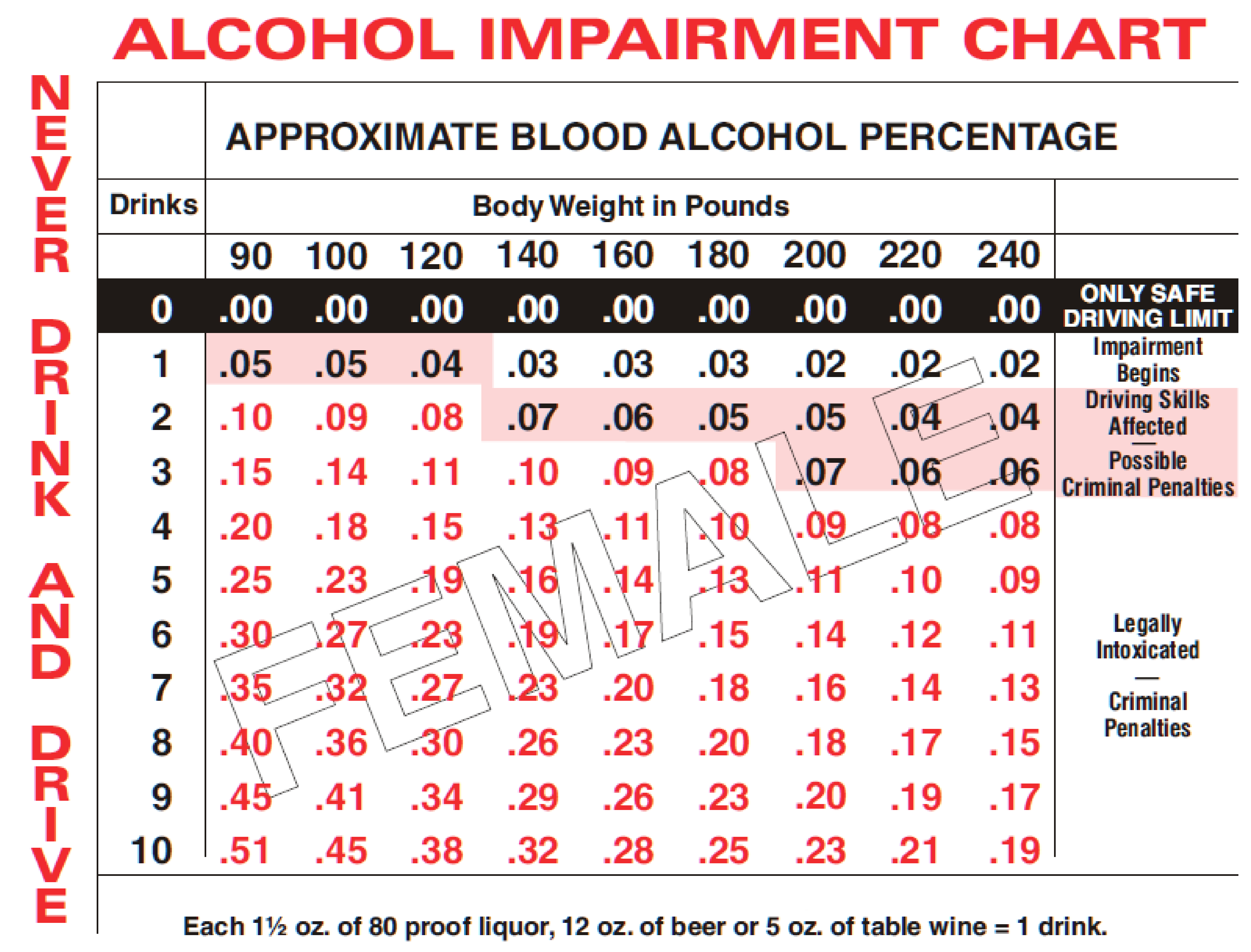
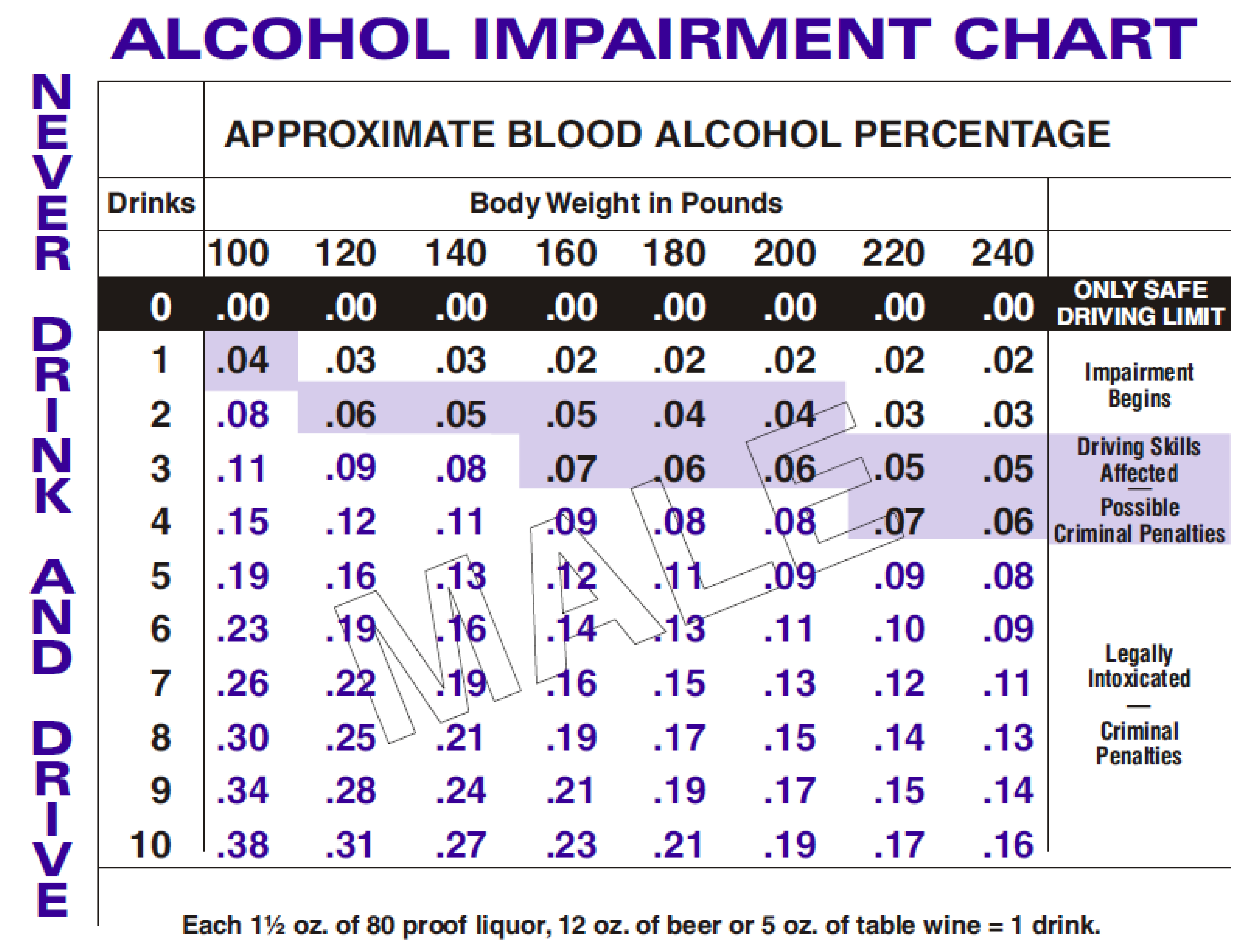
- Legal Limit: In most states, 0.08% is the legal limit for driving — but impairment can show up much earlier.
- Factors That Affect BAC:
- Number of drinks
- Time between drinks
- Body weight & gender
- Food in the stomach
- Metabolism
Quick Reference: How Drinks Add Up
- 1 drink = about the same amount of alcohol (12 oz beer, 5 oz wine, 1.5 oz liquor).
- On average, the body processes 1 drink per hour.
- 3 drinks in an hour = rising BAC, even if the guest “feels fine.”
Pro Tip: “Coffee sobers you up” is a myth. Only time lowers BAC.
How Bartenders Can Use BAC Knowledge
- Pace the Pour: Encourage water and food between rounds.
- Watch the Clock: Track how quickly drinks are being ordered.
- Know the Signs: Slurred speech, loss of balance, or aggressive behavior often start when BAC is 0.05–0.06%.
- Document Issues: If you cut someone off, make a quick note. Protects you later.
Where & When It Gets Critical
- Happy Hours & Specials: Cheap drinks = fast orders = higher BAC.
- Holiday & Event Nights: Guests drink more quickly, mixing liquor and beer.
- Late Night: Less food in stomachs + faster drinking = faster rise in BAC.
Bar Takeaway
- BAC measures alcohol in the bloodstream, not just “how drunk” someone seems.
- Average body clears 1 drink per hour.
- Spotting BAC patterns early keeps your guests safe and your bar legal.
👉 Want to protect your job and your liquor license? Get certified in responsible alcohol service through our Alcohol Server & Seller Training. You’ll also find a state-by-state regulation map to check the laws where you work.