Why Norovirus Always Spikes in Fall: The Seasonal Science

The leaves start to turn, school cafeterias fill back up, and the first chilly nights sneak in. Alongside pumpkin spice and football season comes something far less welcome: norovirus outbreaks. If it seems like every fall and winter brings a surge of “stomach flu” cases, you’re not imagining it. Norovirus has a seasonal rhythm — and understanding the science behind it can help operators prepare before it strikes.
What Is Norovirus?
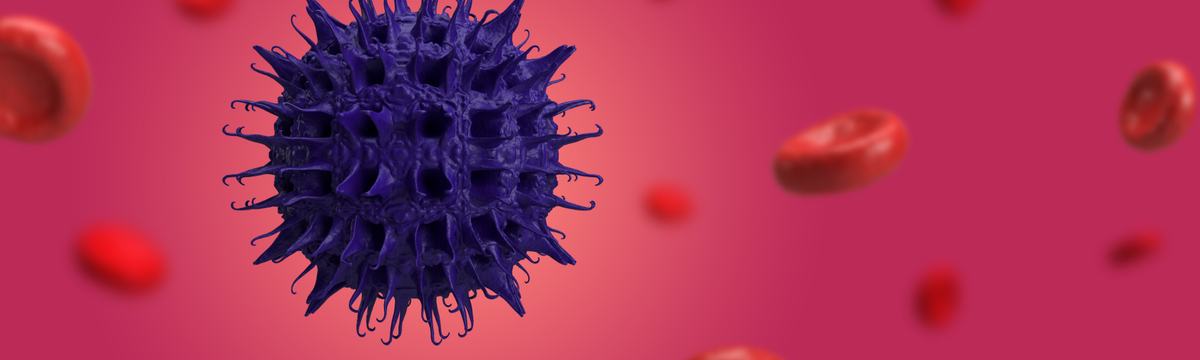
Norovirus is the leading cause of foodborne illness in the U.S., responsible for about 58% of outbreaks. It spreads incredibly fast — through contaminated food, water, surfaces, and even person-to-person contact. A microscopic amount (just 18 viral particles) can make someone sick.
Unlike bacteria, norovirus isn’t killed by routine sanitizers or freezing, which makes controlling it especially challenging in restaurants, schools, and catering events.
Why It Spikes in Fall and Winter
Researchers point to a mix of science and human behavior:
- Cooler temps & low humidity → Viruses survive longer on surfaces in cold, dry air.
- Indoor crowding → Schools, offices, and events pack people into close quarters.
- Holiday gatherings → Potlucks, buffets, and shared meals create ideal transmission routes.
- Weakened immunity → Seasonal flu and colds may leave immune systems more vulnerable.
Where Operators Should Watch Closely
- School cafeterias: High density + young populations = fast spread.
- Buffets & salad bars: Shared utensils and high-touch surfaces.
- Catering & events: Large batches of ready-to-eat foods handled by many hands.
- Healthcare & senior facilities: Guests more vulnerable to severe illness.
When the Risk Peaks
- Back-to-school (September): Increased exposure as kids return to classrooms.
- Holiday season (November–December): Gatherings with shared food.
- Mid-winter (January–February): Virus survives longest in cold, dry air.
How to Reduce the Risk: Best Practices
Hygiene First
- Enforce 20-second handwashing — hand sanitizer doesn’t work against norovirus.
- Require staff to stay home at least 48 hours after symptoms end.
Safe Food Handling
- Wash fruits and vegetables thoroughly.
- Cook shellfish completely — norovirus often contaminates raw oysters.
Sanitation
- Use bleach-based cleaners (1,000–5,000 ppm chlorine) for contaminated surfaces.
- Wash linens, mop heads, and utensils in hot water immediately after exposure.
Communication
- Train staff on outbreak procedures.
- Post clear handwashing reminders in restrooms and prep areas.
The Bigger Picture: Why Operators Should Care
Norovirus is not just uncomfortable — it’s costly. The CDC estimates that it leads to 19–21 million illnesses, 109,000 hospitalizations, and 900 deaths annually in the U.S. Outbreaks can shut down restaurants for days, trigger health department investigations, and make headlines that drive guests away.
Checkout our resource center for valuable downloads
Final Word: Get Ahead of the Wave
Fall should mean crisp apples and comfort foods — not sick staff and guests. By understanding why norovirus spikes in cooler months, operators can tighten hygiene, reinforce policies, and stop outbreaks before they spread.
Don’t wait for the season to strike. Certivance offers Food Handler Training and CFPM certification designed to give staff the tools to fight norovirus and other high-risk pathogens.
👉 Train your team at Certivance.com and check our state-by-state regulation map to ensure compliance with local health codes.
Further Reading
CDC – Facts on Norovirus