Winter Comfort Foods and Allergen Pitfalls: From Soups to Casseroles

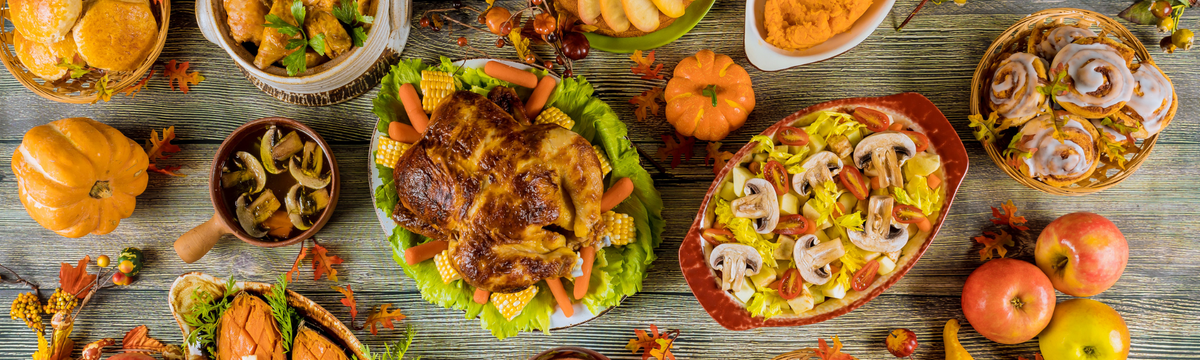
January is the season of comfort. Soup pots simmer on the stove, casseroles bubble in the oven, and dining rooms fill with the kind of food that warms hands as much as it fills stomachs. Chicken noodle soup, clam chowder, mac and cheese, shepherd’s pie — these dishes are the definition of cozy. But comfort doesn’t always mean safe. Hidden in these recipes are some of the most common food allergens: milk, wheat, soy, eggs, fish, shellfish, peanuts, tree nuts, and sesame.
The risk isn’t just what’s written in the recipe — it’s how winter food is made and served. Roux thickened with flour, sauces loaded with cream, Worcestershire with anchovies, breadcrumbs hiding sesame, ladles moving from one pot to another. What feels hearty and homemade can, in an instant, become a medical emergency.
The Hidden Risks in Cold-Weather Classics
Winter cooking leans heavily on the very ingredients most likely to cause reactions. Flour goes into roux for chowders, gravies, and casseroles. Dairy makes sauces creamy and casseroles rich. Egg noodles and batters are standard. Soy sneaks in through soup bases and marinades. Sesame, now a regulated major allergen, appears in rolls, crumbs, and toppings. These aren’t edge cases — they’re staples of January menus.
Volume adds pressure. Operators often batch-cook soups and casseroles, stack trays high, and push tools through multiple dishes to keep up with demand. Immersion blenders move from cream soups to broths. Ladles drift between pots. A breadcrumb topping can scatter across an entire sheet pan. What looks like efficiency can quietly spread allergens across the line.
Proof in the Real World
The FDA has made it clear: undeclared allergens are the leading cause of food recalls in the United States, year after year. In 2025, NatureMills US Inc., a Texas firm, recalled a nationwide line of rice mixes, soups, and spice blends because labels failed to disclose wheat, milk, and sesame 【FDA†source】. Around the same time, federal inspectors issued a health alert for chicken soup products that were misbranded and missing allergen warnings 【USDA†source】.
Cross-contact in service is also well documented. FARE’s cross-contact poster illustrates how a single contaminated spoon or pan can transfer enough allergen protein to cause a serious reactio. And CDC research on restaurant safety shows that many reactions aren’t caused by “wrong ingredients,” but by cross-contact — a clean soup becoming unsafe because of one stray ladle.
Best Practices in Action
Keeping comfort food safe doesn’t mean cutting it from the menu — it means managing it with intention. Start with recipes. Flag every winter dish that contains any of the Big 9 allergens, including hidden ingredients like anchovies in Worcestershire or soy in a seasoning base. Keep an updated allergen matrix at the pass so staff aren’t guessing.
Treat utensils like ingredients. One ladle per pot, color-coded if possible, and never reused between dishes without full cleaning. Use dedicated blenders or pitchers for dairy-free soups. Bake allergen-safe casseroles in separate pans, not beside sesame-topped versions. If a tool strays, swap it out — don’t wipe and reuse.
And make communication part of service. Post allergen information clearly on menus and online. Train staff with a simple script: “This soup contains milk and wheat; we have a broth-based option that’s safe.” When a guest hears clarity, they hear safety.
Finally, plan for the “what if.” Make sure staff know how to recognize an allergic reaction, call 911, and use epinephrine if available and permitted. Emergencies don’t wait — preparation is the only buffer.
Checkout our resource center for valuable downloads
Final Word
Comfort food is supposed to soothe, not scare. With smart recipes, disciplined tools, and open communication, kitchens can serve soups and casseroles that are as safe as they are satisfying. The only memory guests should carry home on a cold January night is the glow of a hot meal — not the aftermath of a reaction.